
Sunlight
Freesias: The Flowers That Beguile With Their Fragrance
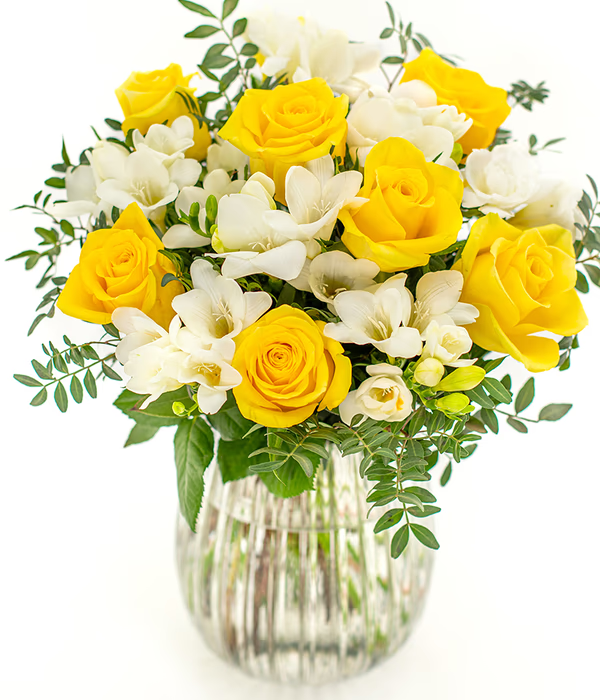
Freesias are elegant flowers cherished for their delicate, trumpet-shaped blooms and sweet, citrus-like fragrance. Symbolizing friendship, trust, and innocence, these blooms are a popular choice for weddings, bouquets, and perfumes. Originating from South Africa, freesias come in a variety of vibrant colors, including white, yellow, pink, red, purple, and orange. Their graceful stems and fragrant blooms make them a versatile flower for both arrangements and gardens.


COMMON NAME
Freesia

BOTANICAL NAME
Fresia spp.

ORIGIN
South Africa

PEOPLE ALSO CALL IT
Cape Lily

FLOWERING TIME
Spring (March to May)

ASPECT
Full sun to partial shade

SYMBOLISM
Friendship, trust, innocence, thoughtfulness
Care Tips for Cut Freesias in a Vase
Trim Stems at an Angle: Cut the stems diagonally to improve water absorption.
Remove Lower Leaves: Strip any leaves that would sit below the waterline to prevent bacterial growth.
Use Lukewarm Water: Fill the vase with lukewarm water and add a floral preservative for optimal bloom life.
Change Water Frequently: Refresh the water every two days to maintain freshness and avoid cloudy water.
Place in Indirect Light: Keep freesias in a cool, bright location away from direct sunlight, drafts, or heat sources.

Symbolism & Meaning
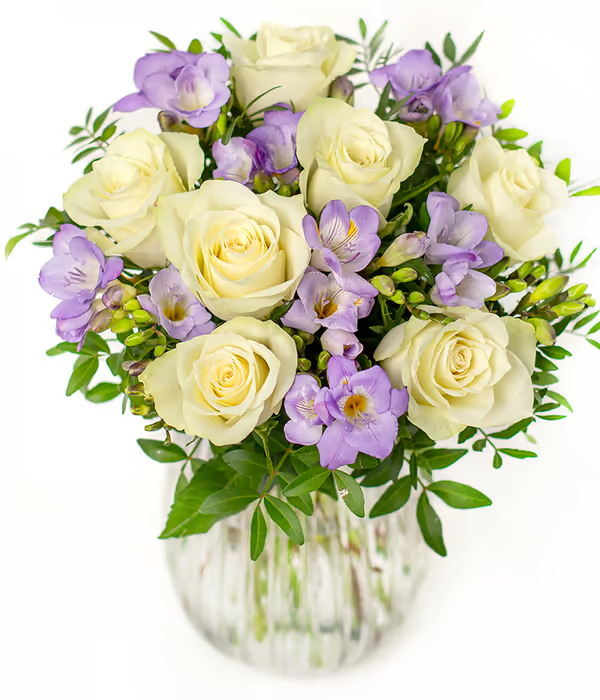
Freesias are often associated with friendship, trust, and thoughtfulness, making them a meaningful gift for friends and loved ones. Their gentle fragrance and graceful appearance also convey innocence and purity, which is why they are a popular choice for weddings and romantic bouquets. In Victorian times, freesias were considered symbols of trust and thoughtfulness in the language of flowers.
Types of Freesias
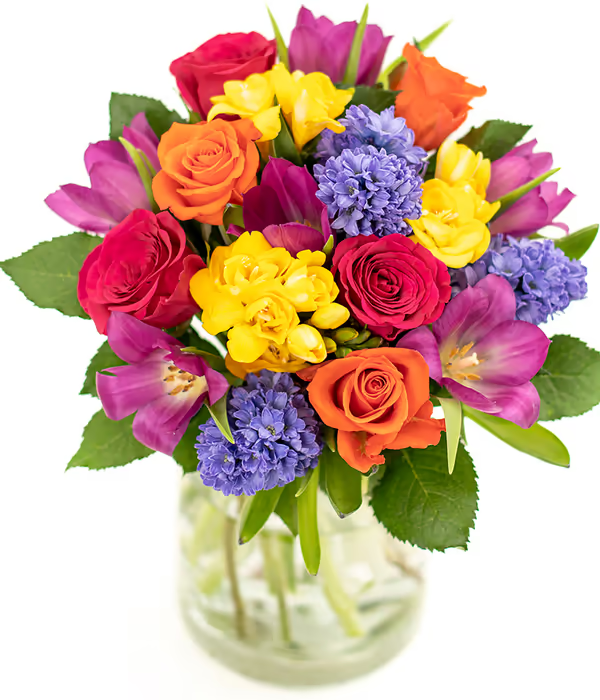
Freesias come in a variety of colors, each offering unique charm and beauty. Single-flowered freesias feature a classic arrangement of six petals per bloom, while double-flowered varieties have extra layers of petals, creating a fuller appearance. Commonly cultivated species include Freesia alba, with delicate white blooms, and Freesia refracta, known for its pale yellow or orange flowers. With their vibrant colors and enchanting fragrance, freesias are a versatile addition to gardens and floral arrangements.