Dehumidifying Plants: Breathe Easier with Plants that Absorb Moisture
From your every day showers to leaving washing to dry, plenty of factors will add to the moisture levels in our homes, especially in rooms like bathrooms, laundry rooms, and kitchens. And this can be much worse in the winter months where cold conditions mean that our rooms will take even longer to dry out than usual.
Having a humid home is more than just an issue of comfort. Homes that have more moisture are the ideal breeding ground for mould and mildew which in turn can trigger health issues such as asthma and further breathing problems. While extractor fans and dehumidifiers are effective, where is another way to dehumidify your home: the humble houseplant!
In a previous guide, we explored the air quality benefits of flowers when it comes to purifying our house’s air. But these benefits also extend to dehumidifying, plants can actually help absorb the moisture in our air–a lesser known superpower of our favourite home decor. Here at Eflorist, we believe in the power of plants to create healthier, happier homes. As such, we have explored the best moisture absorbing plants for reducing humidity and preventing mould, and shared the best places to put them around your home.
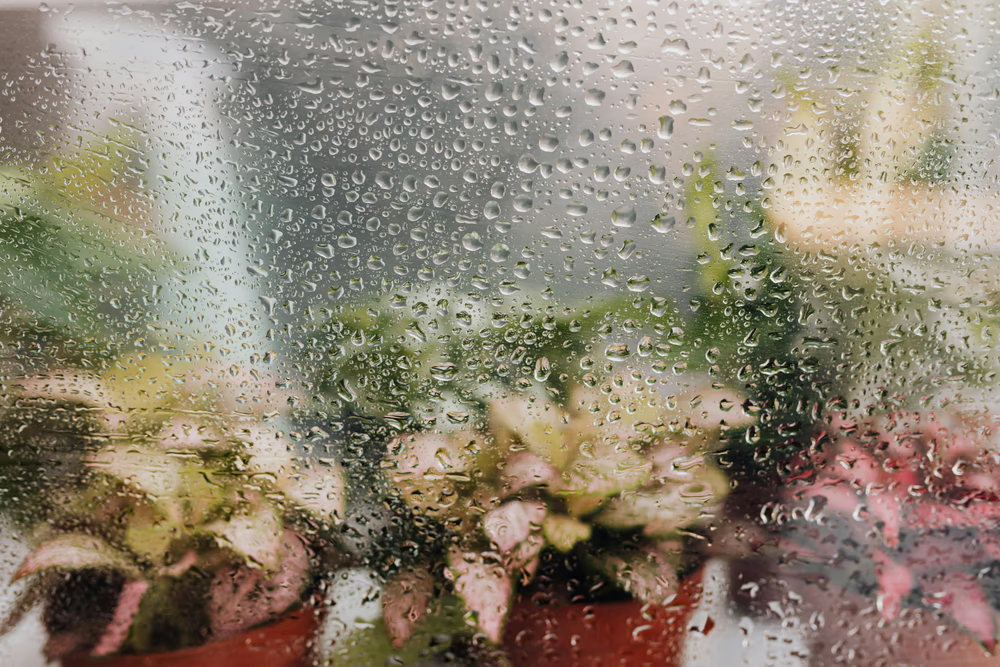
How do dehumidifying plants work?

While many believe plants simply “drink” moisture from the air, the process is a bit more complex. Houseplants can absorb tiny airborne water vapour particles through their leaves in a process known as ‘foliar uptake’.
And certain plants, especially those native to tropical, humid climates, will be best adapted to this and actually prefer being in a moist room as opposed to a drier home.
Plants will also regulate their own moisture release through another process called ‘transpiration’. However, research shows that in humid environments plants will adapt and release less water vapour–meaning they won’t be adding excess to moisture in any damp rooms.
Where should I put plants that absorb moisture indoors? Which rooms are best?
Naturally, plants that enjoy a humid environment will enjoy the rooms in your home that are more moist. Meaning they will suit rooms such as kitchens, laundry rooms, and of course bathrooms.
You may also find that your bedroom becomes humid overnight while you’re sleeping, so it can be ideal to pop a dehumidifying plant in any bedroom to combat waking up with extra wet windows from all that condensation.
The best plants for humid homes
Below, Eflorist have listed 5 of the best plants that absorb moisture in your home:
1. Boston Ferns
If you’re looking for the champion of dehumidifying plants, look no further than the Boston Fern. Featuring dense, feathery leaves that provide a massive surface area, these plants are incredibly efficient when it comes to naturally dehumidifying and balancing the moisture in your home.
These ferns thrive in moist climates and will happily soak up any excess humidity in your home making them one of the best plants for bathrooms and any humid laundry rooms. Place them in a hanging basket or on a shelf where it can benefit from any steam from your shower or washing machine.
Boston Ferns prefer to stay consistently moist, so if you notice the tips turning yellow at all it’s a sign they may need more misting.
2. Peace Lilies
As highlighted in our previous air quality guide, the Peace Lily is a powerhouse purifier. In fact, research from NASA has identified them as one of the best air-purifying houseplants due to their ability to remove common household toxins like formaldehyde and benzene.
But its benefits don’t stop there as peace lilies are also perfect for absorbing excess moisture in your home through its leaves. Place it in bedrooms and bathrooms–or anywhere that feels humid and has lower light levels that peace lilies can tolerate.
3. English Ivy
If you’re looking for bathroom plants that absorb moisture, an English Ivy can be a great bet for those dark, damp corners where mould seems to love appearing. When it comes to mould, English Ivy is your go-to defender as this hardy, trailing vine has been specifically identified by NASA for its ability to remove airborne mould spores.
Place English Ivy anywhere you have poor ventilation or are having recurring mould problems. You can place it on a high shelf or in a hanging pot and let it trail down, and you only need to water it sparsely, when the top inch of soil feels dry.
4. Snake Plants
Snake plants are one of the most resilient and adaptable houseplants you can own, making them particularly great for any beginner plant owners.
What makes snake plants unique is their very low transpiration rate, meaning that they add almost no moisture back to the air and so are perfect for very damp homes. Snake plants also release oxygen at night, making them a great choice for any bedroom plant options as it will improve your room’s air quality while you sleep.
5. Spider Plants
Spider plants are known for being powerful air purifiers that can also help to absorb moisture from the air, tackling both humidity and pollutants.
They prefer bright, indirect light and will thrive in a humid room–so place in any bright kitchens or bathrooms!
Use dehumidifying plants in tandem with other tools
While houseplants are fantastic for natural humidity relief, they work best as part of a complete strategy for managing humidity.
Make sure your home has good ventilation, especially in those high-humidity areas, and consider using a dehumidifier for any severe damp issues. By combining these methods with a few carefully chosen green companions, you can create a home that is not only beautiful but is benefitting the air you breathe.